Supplements for immune support
Vitamin D3, zinc picolinate, vitamin C, Immunomax and elderberry: the authorised claims, and why nothing here boosts anything.


How to choose an immune support supplement
Stay well through the year, especially the winter months. Vitamin D, zinc and vitamin C are the nutrients the immune system relies on most, and elderberry is the botanical people reach for when the season turns.
Why these
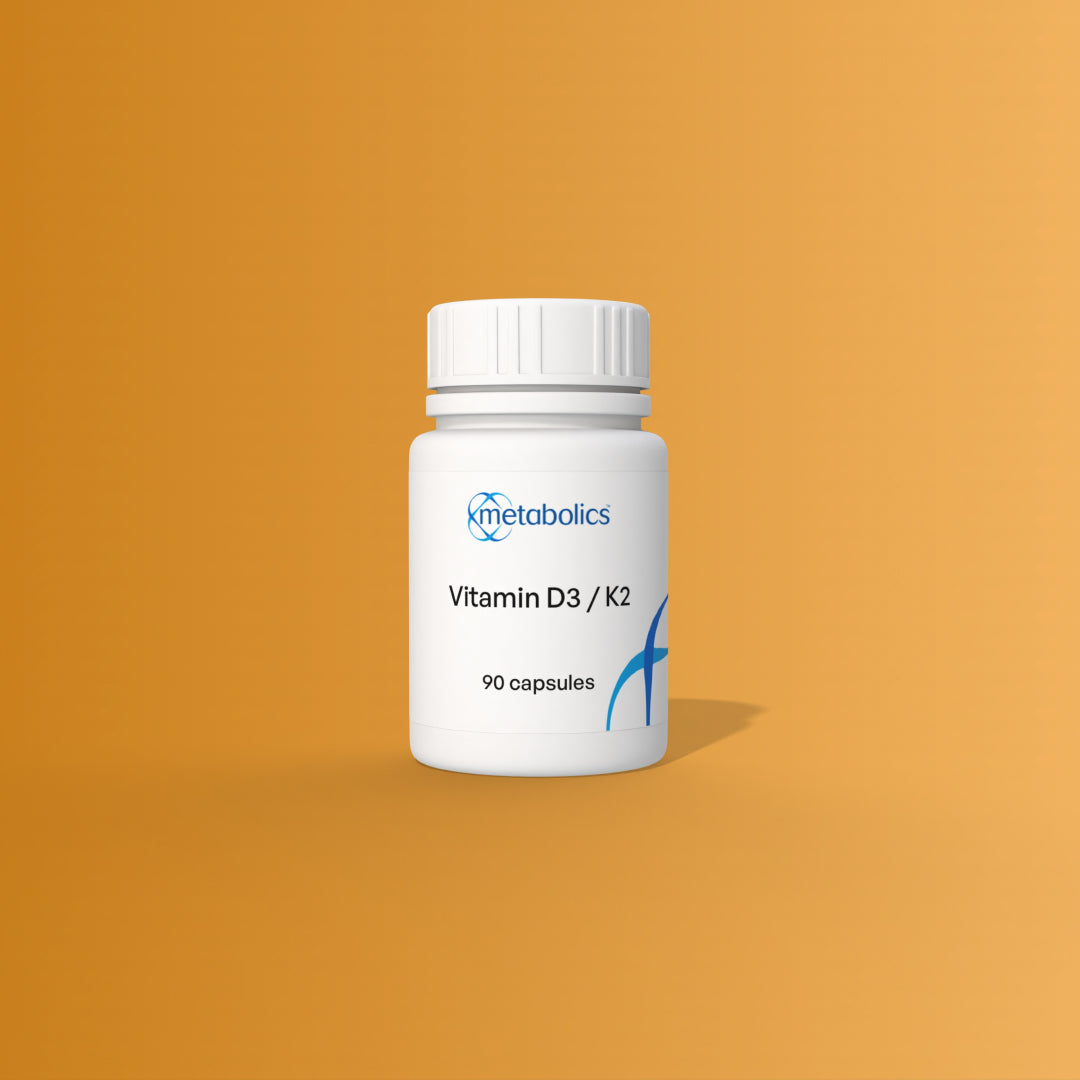
Vitamin D3 & K2: The winter essential: supports immunity from October to March when UK sun is too weak to make any. 2500 IU.
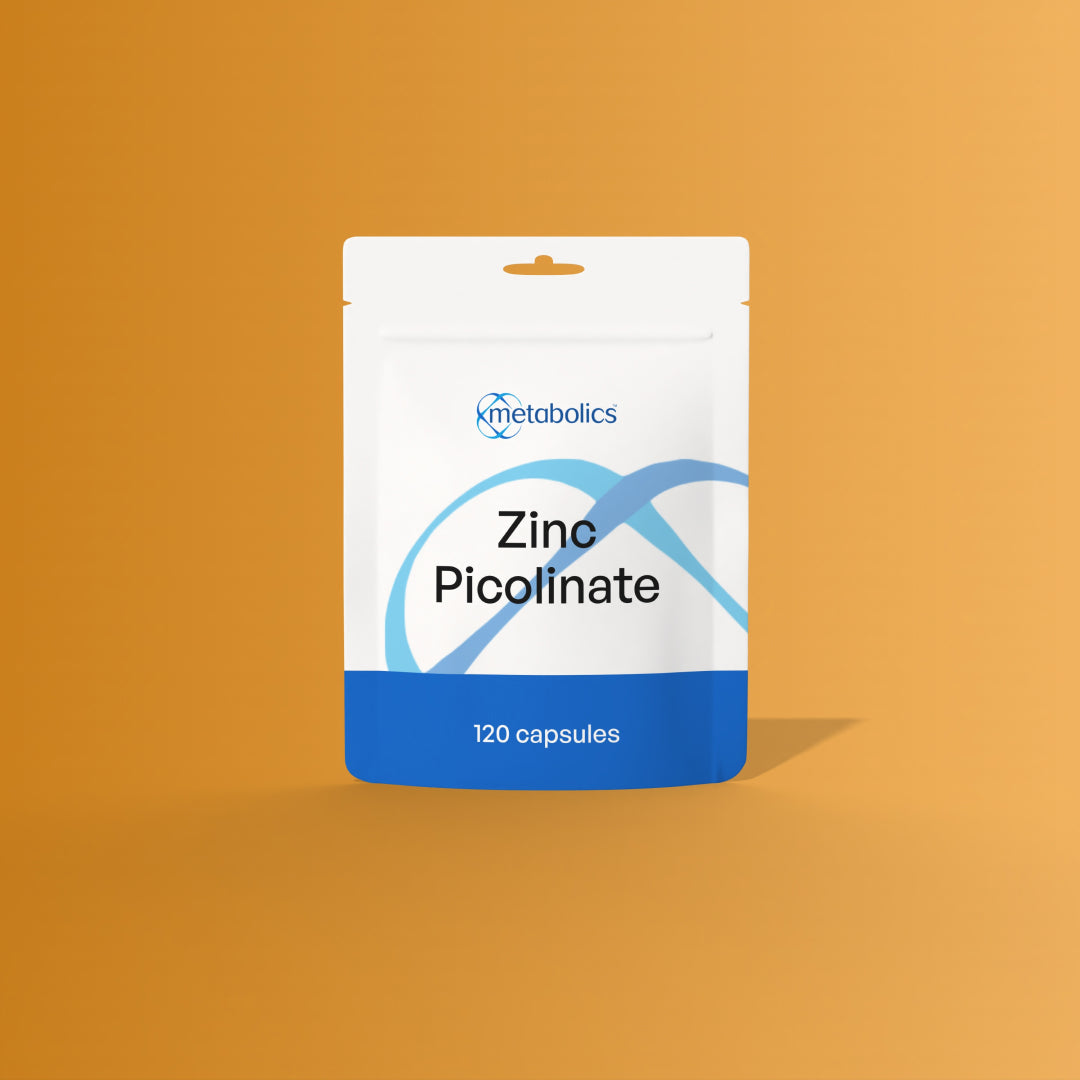
Zinc Picolinate Capsules: Supports immune defences and skin healing. Zinc picolinate, well absorbed.
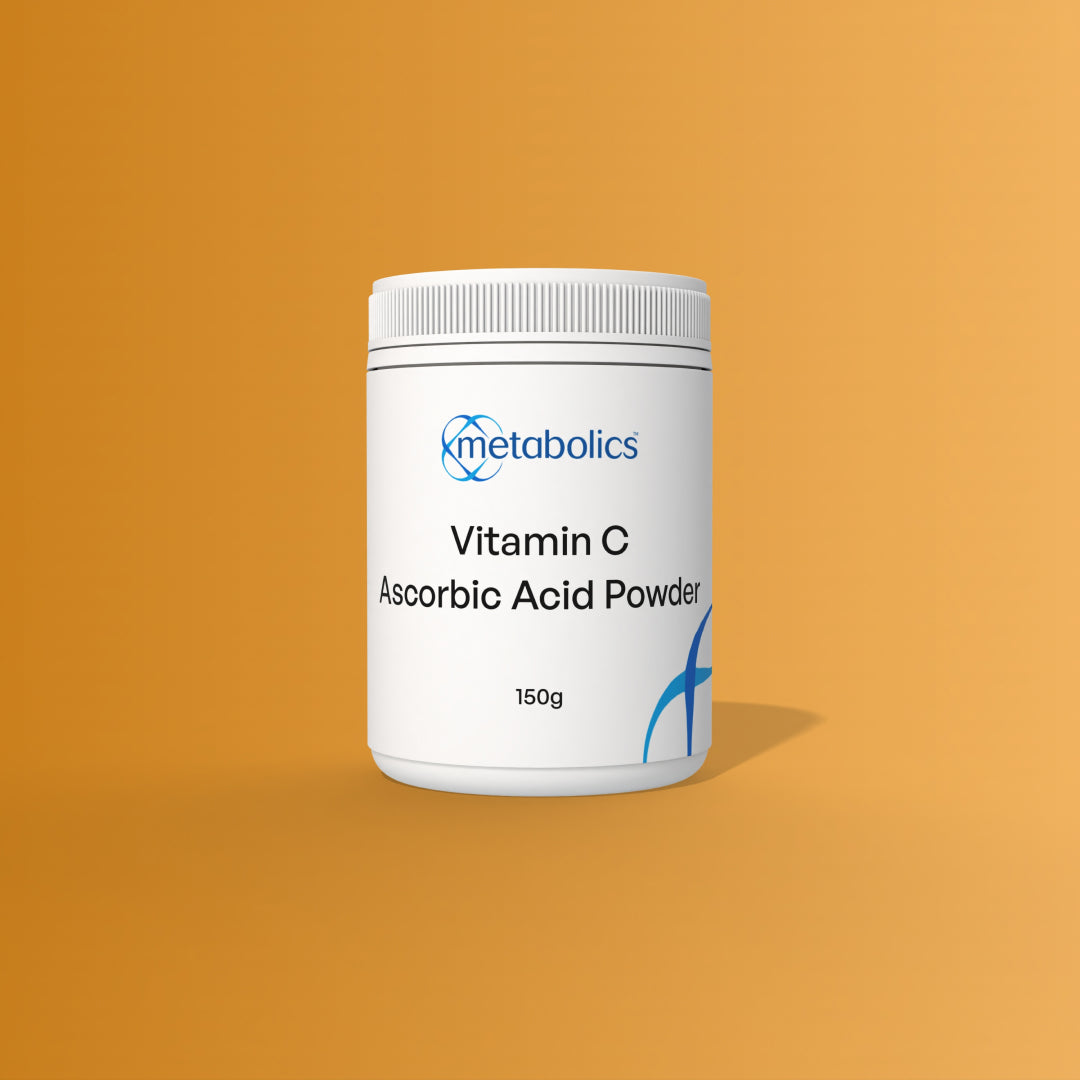
Vitamin C Ascorbic Acid Powder: Supports immunity and eases tiredness. Pure vitamin C powder you can dose to suit.
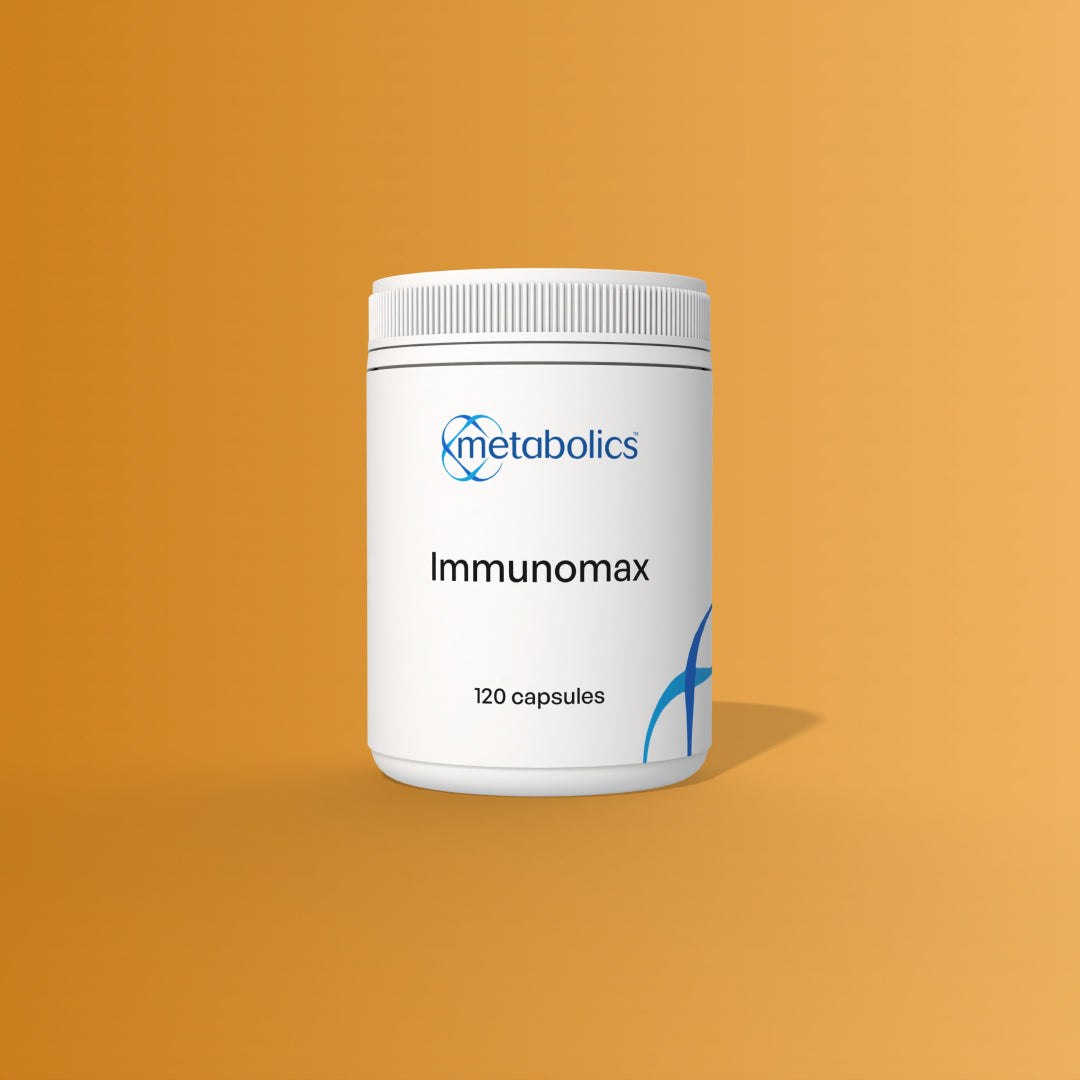
Immunomax: Zinc, vitamin C, vitamins A and D and elderberry in one daily capsule, with copper for balance.
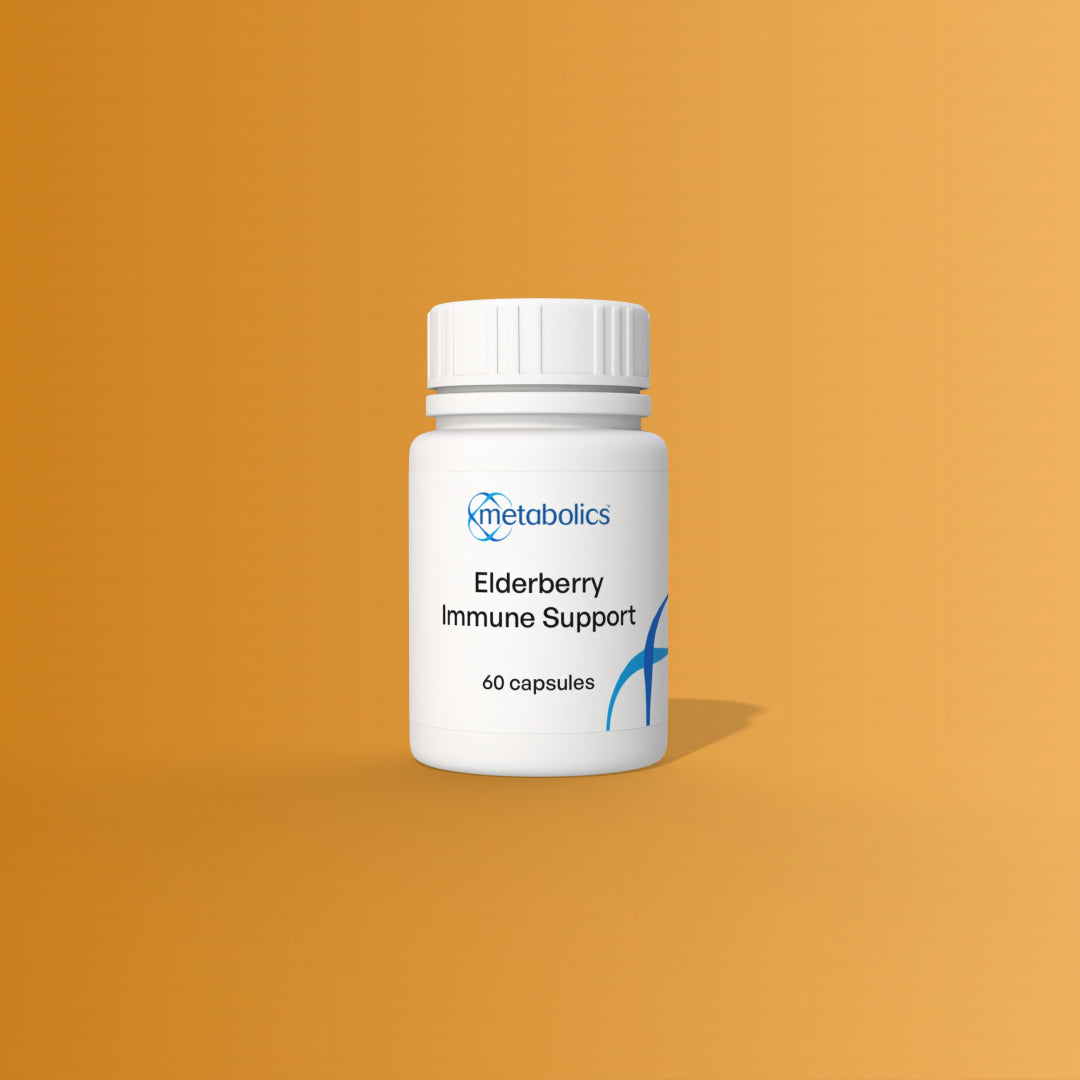
Elderberry Immune Support Capsules: Elderberry with zinc, vitamin C and NAC for winter immunity and the airways.
Read the evidence
How long does vitamin D take to work? · Zinc and copper: the balance
If you take prescribed medicines, are pregnant or breastfeeding, or have a diagnosed condition, talk to your GP or pharmacist first. Not sure which fits? Ask Nutri365, the Nutri Tailor AI health expert, which checks for interactions and contraindications.
Common questions
Can a supplement boost the immune system?
No. The authorised claims are that vitamin D, zinc and vitamin C contribute to the normal function of the immune system. Boosting is not a claim any of them can make.
How much vitamin D should I take in winter?
UK guidance is 10 micrograms (400 IU) a day for most adults from October to March. Higher doses are for people with a low result, guided by a test.
Do high doses of vitamin C prevent colds?
The trials do not support that for most people. Regular intake shortened colds slightly; megadoses at the first sniffle did not.
Written by Nutri Tailor from the Health Reference Library. Last checked 6 September 2026. General information, not personal advice.