Supplements for fertility and preconception
Methylfolate, vitamin D3, the preconception formula, omega 3 DHA, zinc and iron: built on UK guidance, with the GP line where it belongs.



How to choose a preconception supplement
Preparing well for pregnancy, for both partners. Folate before conception is the one UK guidance is firm on; vitamin D, zinc, DHA and iron each support a healthy start, and the preconception formula brings the essentials together.
Why these
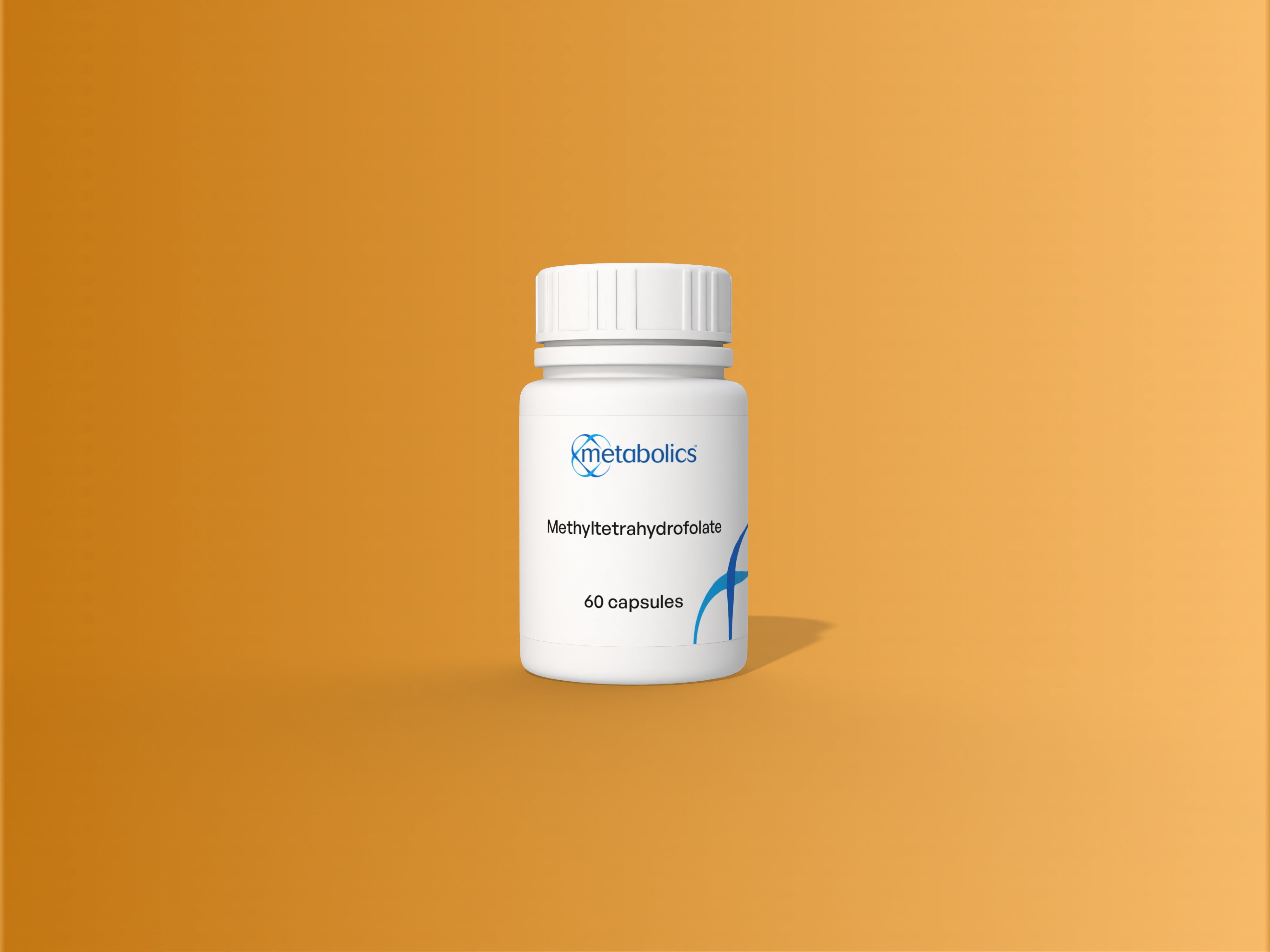
Methylfolate (5-MTHF) 1000mcg Capsules: The folate UK guidance says to take before conception, in its active form. 1000 mcg.
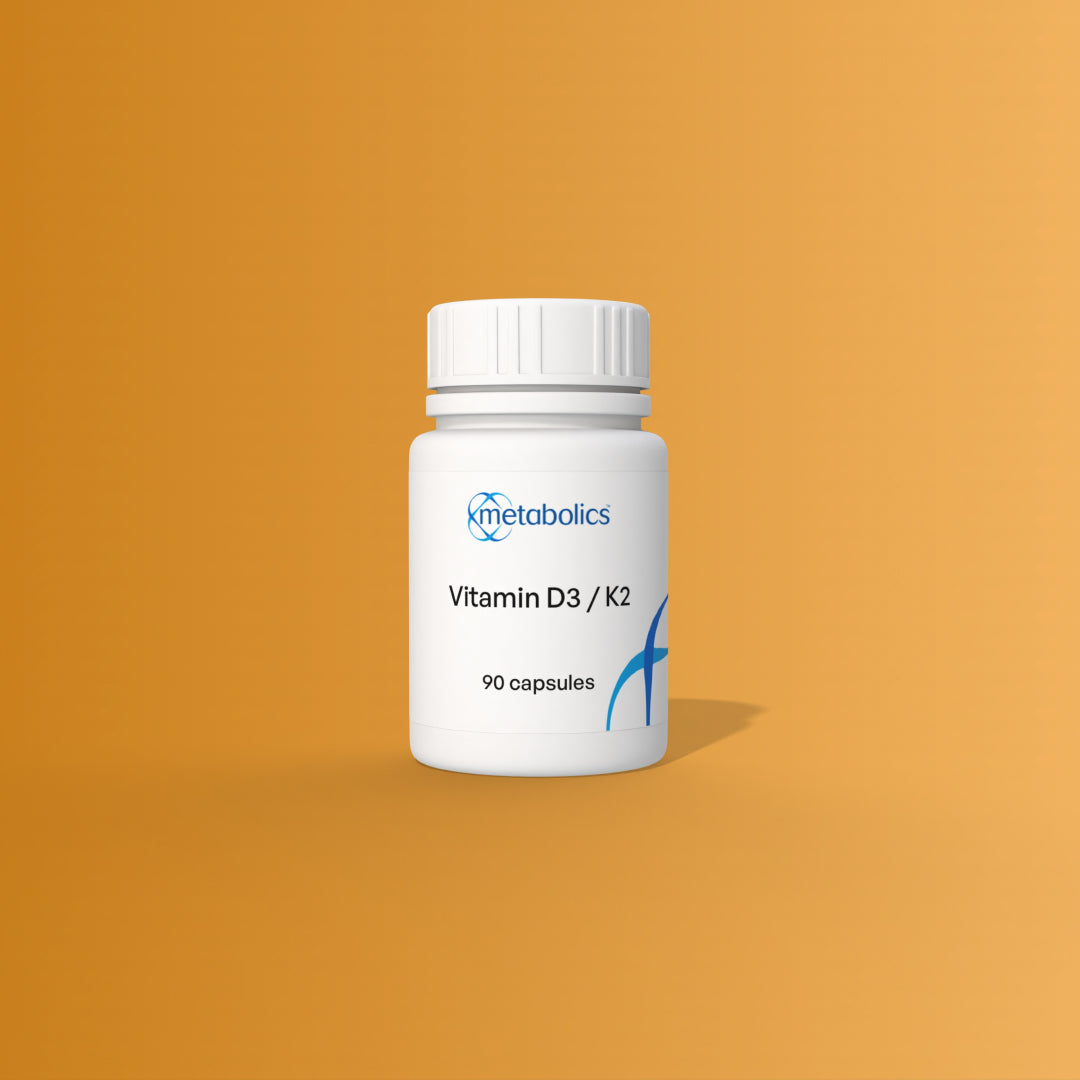
Vitamin D3 & K2: Supports immunity and bones, and UK guidance is a daily vitamin D throughout pregnancy. 2500 IU with K2.
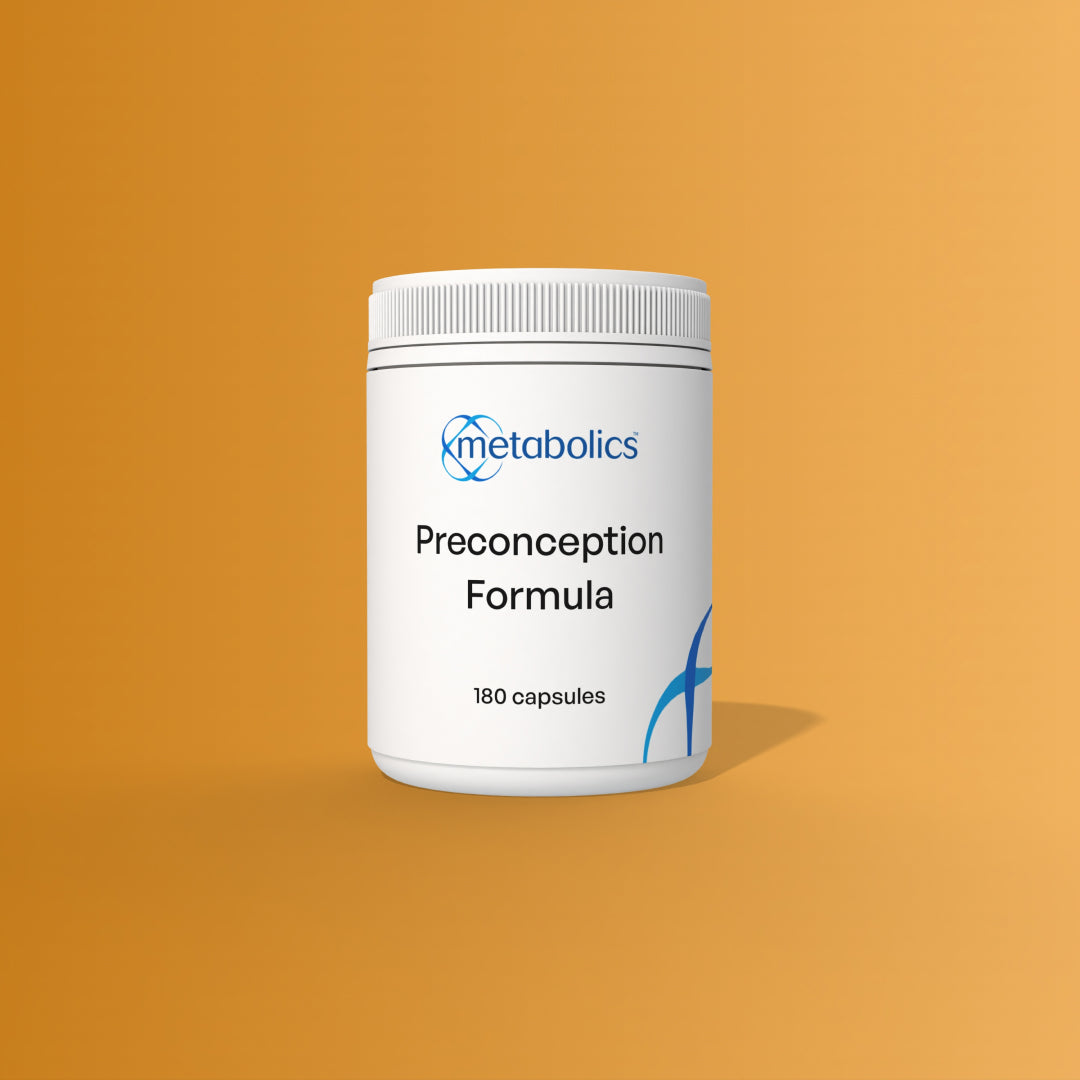
Preconception Formula: Built for both partners preparing to conceive, with what it contains stated on the product page.
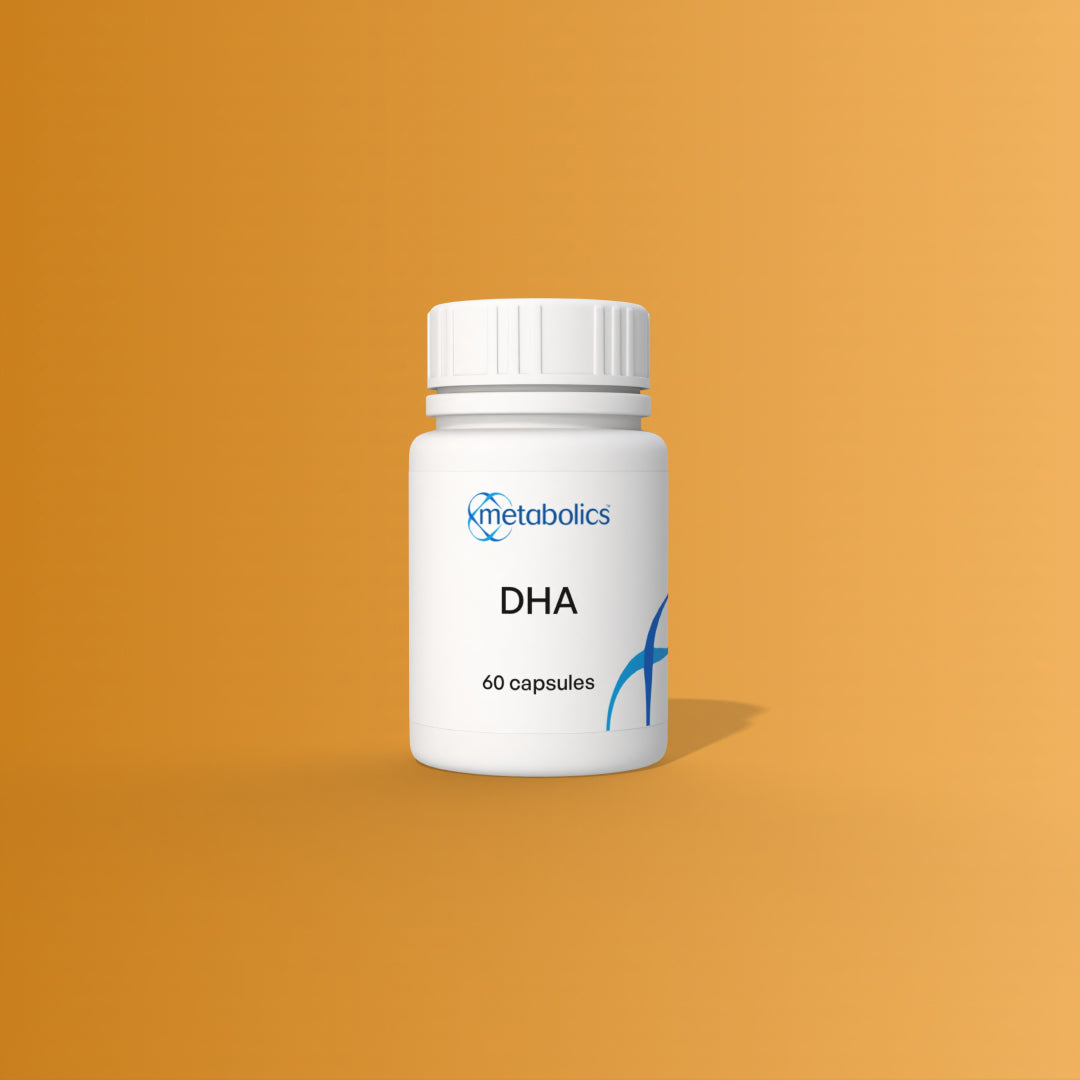
DHA: Supports the baby's brain and eye development; 200 mg DHA per softgel.
Zinc Picolinate Capsules: Supports normal fertility and reproduction in both partners. Zinc picolinate.
Iron & Vitamin C: Restores iron stores before pregnancy where ferritin is low. Gentle, with vitamin C.
Read the evidence
Folate vs folic acid vs methylfolate · The preconception protocol
If you take prescribed medicines, are pregnant or breastfeeding, or have a diagnosed condition, talk to your GP or pharmacist first. Not sure which fits? Ask Nutri365, the Nutri Tailor AI health expert, which checks for interactions and contraindications.
Common questions
What does UK guidance say to take before conception?
Folic acid 400 micrograms a day from before conception until twelve weeks, and vitamin D daily. Some people are advised a higher folate dose by their GP.
Is methylfolate the same as folic acid?
It is the form found in circulation and it meets the folate need; the UK guidance figure refers to folic acid, and your GP or midwife can advise which suits you.
When should we see a GP?
After a year of trying, or six months if you are over 36, or sooner if you have a known condition.
Written by Nutri Tailor from the Health Reference Library. Last checked 6 September 2026. General information, not personal advice.